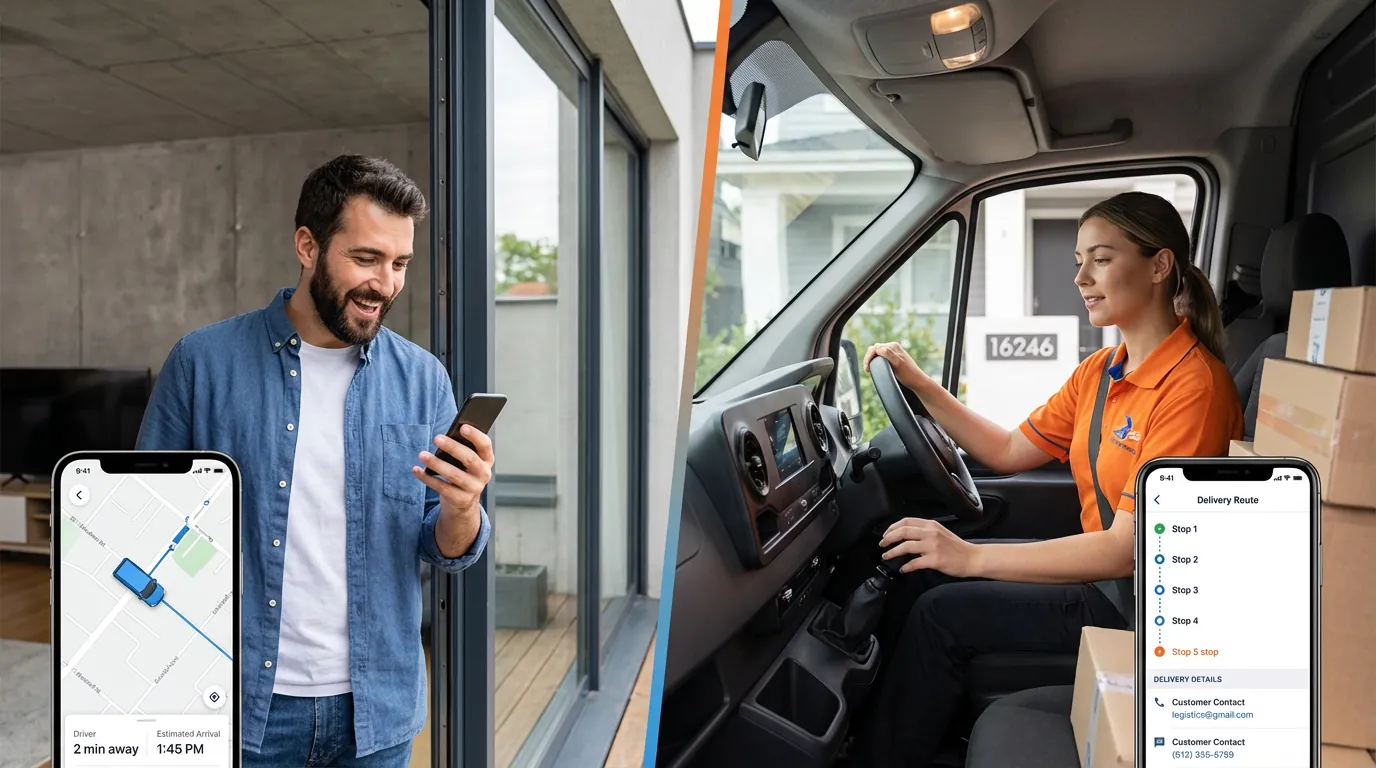
The Uber Effect: Why Your Customers Demand Real-Time Service (and How to Deliver It)
How rideshare-style tracking reset field service expectations, why smaller firms face a technology gap, and what a real-time service visit looks like.
Introduction: The Problem with Waiting
In an era where you can track a $15 pizza from the oven to your doorstep, the days of the vague “four-hour service window” are not just numbered—they’re actively costing businesses customers and revenue. Today’s consumers, shaped by the seamless experiences of apps like Uber, expect instant gratification and real-time transparency from every service provider, including your field service business. The problem? Many companies are still operating with outdated communication methods, leading to frustration and inefficiency.
The High Cost of the Communication Gap
This disconnect between customer expectation and service delivery creates a significant burden. Every year, US homeowners lose a huge number of hours waiting for service appointments, a systemic inefficiency the industry has simply accepted. This isn’t just an inconvenience; it’s a direct hit to customer satisfaction and a breeding ground for negative reviews.
“Customers no longer tolerate vague appointment windows. FSM software now delivers real-time updates…” – Brocoders (2026)
Furthermore, internal communication breakdowns contribute to substantial operational losses. Miscommunication within field service teams is a common cause of rework, which hurts profitability and damages your brand’s reputation for reliability. And customers notice when they do get live tracking and ETA updates, which shows how much real-time information shapes their perception of a service company.
A Better Way: Bridging the Technology Divide
The good news is that the technology to meet these heightened expectations exists. Field Service Management (FSM) software, particularly solutions that offer real-time communication and tracking, is transforming the industry. These platforms enable businesses to provide automated ETA notifications, live technician tracking, and two-way messaging, mirroring the seamless experiences consumers have come to expect from larger brands.
While large enterprises often have the resources to develop bespoke solutions, a significant technology gap exists for small to medium-sized field service businesses. These smaller companies, which are the backbone of many local economies, are often 50% less productive than large companies in the US. This productivity disparity is often exacerbated by a lack of access to affordable, integrated technology that can centralize data and streamline operations. Enterprise-level FSM software is typically priced per seat at levels that can be a real barrier for smaller crews (BuildOps pricing guide; see how options compare).
However, the market is evolving. ArrivePing by NVC360 is designed to bridge this gap, offering real-time field visibility that works alongside a business’s existing CRM and accounting tools rather than replacing them. This minimizes disruption and makes advanced field service management accessible to businesses of all sizes.
The “Uber-Like” Experience in Action
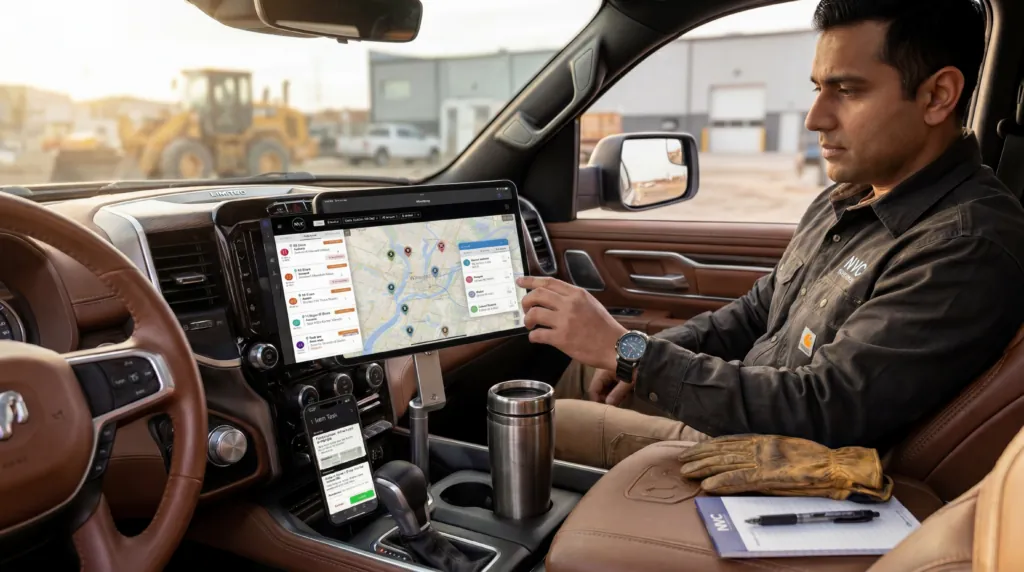
Imagine a scenario: a customer’s HVAC system unexpectedly fails. Instead of a frustrating phone tag and a vague service window, ArrivePing helps the service provider:
- Dispatch smarter: Automatically rank technicians by distance, skill match, availability and current workload, so the closest qualified tech gets the job, with the dispatcher free to override.
- Communicate proactively: Automatically send the customer a text or email with a live ETA and a link to track their technician’s progress, just like tracking a ride-share or a food delivery, plus a running-late notice if the job slips.
- Ensure transparency: Give the technician the job details, access notes and photos in the mobile app, helping them get it right the first time and reducing rework.
- Close jobs cleanly: Keep job photos with the work order and invoice from the same record, cutting delays and paperwork.
This level of real-time visibility and two-way communication transforms the customer experience, turning potential frustration into satisfaction. It also improves operational efficiency, because dispatchers spend less time chasing updates and answering status calls.
Conclusion: The Future of Field Service is Now
The “Uber Effect” has fundamentally reshaped consumer expectations. Businesses that embrace real-time communication and advanced field service management software are not just meeting these expectations; they are exceeding them, building stronger customer relationships, and driving operational excellence. The technology gap for smaller companies is closing, thanks to accessible and integrated solutions that empower them to compete with larger players.
It’s no longer a question of if your customers demand real-time service, but when you will deliver it. ArrivePing launches in November 2026.
See how ArrivePing works for your team: book a demo.