The “Uber Effect”: How Convenience and Communication Kill Price Sensitivity in Field Service
Why customers left waiting focus on price, what research on waiting and convenience shows, and how live tracking shifts attention from the invoice to service.
Introduction: The Problem
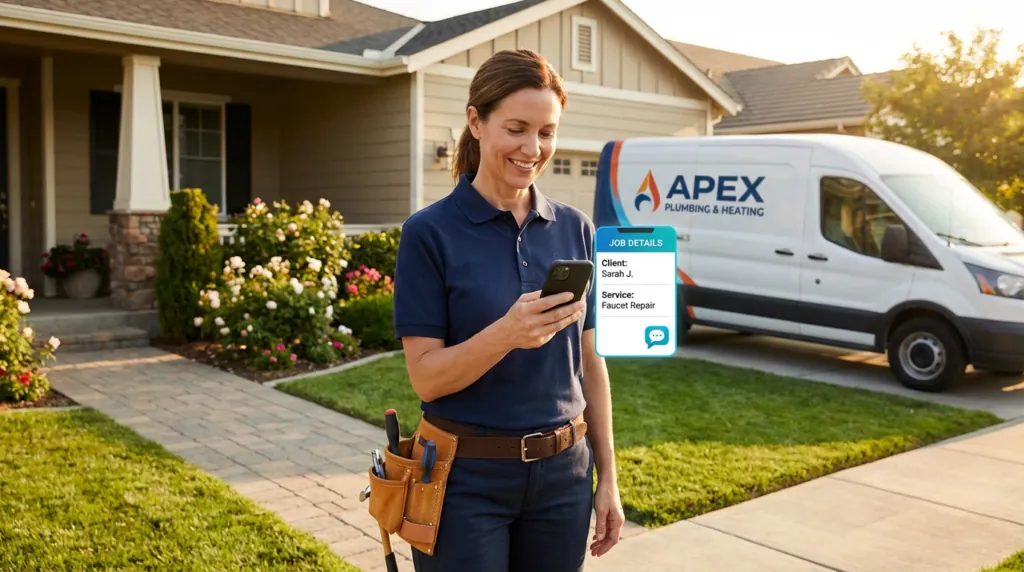
Imagine you’re waiting for an HVAC technician. You’ve been given a “window” of 12 PM to 4 PM. It’s now 2:30 PM. You’ve cleared your schedule, but you have no idea if the technician is five minutes away or hasn’t even left the office. Every minute that passes increases your frustration—and your likelihood of questioning whether the $300 service call is really worth it.
This is the “Black Hole of Field Service.” When customers are left in the dark, their anxiety rises, and their patience for your pricing drops. In an era where we can track a $15 pizza or a $10 Uber ride in real-time, the lack of communication in high-stakes field service (like construction, HVAC, or plumbing) is no longer just an inconvenience—it’s a business killer.
The High Cost of Inefficiency
The data is clear: friction and poor communication aren’t just annoying; they are expensive. According to a 2024 study by Walker, 86% of customers are willing to pay more for a better customer experience. Conversely, when the experience is poor, price becomes the only thing the customer has left to focus on.
The psychology behind this is simple but powerful. David Maister, a leading expert on service firms, famously noted that “unoccupied time feels longer than occupied time.” When a customer is just “waiting,” every minute feels like two. Research from MIT Sloan, summarized by ScanQueue, found that real-time wait updates boost customer satisfaction by 35% compared to no updates.
Friction is the ultimate tax on your business. When you make it hard for customers to know what’s happening, they stop valuing your expertise and start focusing on your invoice.
A Better Way: Streamlining Field Work and Communication
To reduce price sensitivity, you must increase the perceived value of the experience. This is where “disproportionate convenience” comes in. By providing a frictionless, transparent experience, you move the customer’s focus from the cost of the job to the ease of the service.
As shown in the “Convenience Premium” data, consumers are willing to pay a significant markup for services that save them time and reduce mental load. In fact, a 2025 study by NIQ, reported by eMarketer, found that 55% of global consumers are likely to spend more on commerce formats that are specifically designed for convenience.
ArrivePing’s customer notifications are built on this exact principle. By automating updates and providing a window into the technician’s progress, you’re not just “sending a text”—you’re “occupying” the customer’s wait time and building trust before the technician even knocks on the door.
The “Uber-Like” Experience in Action
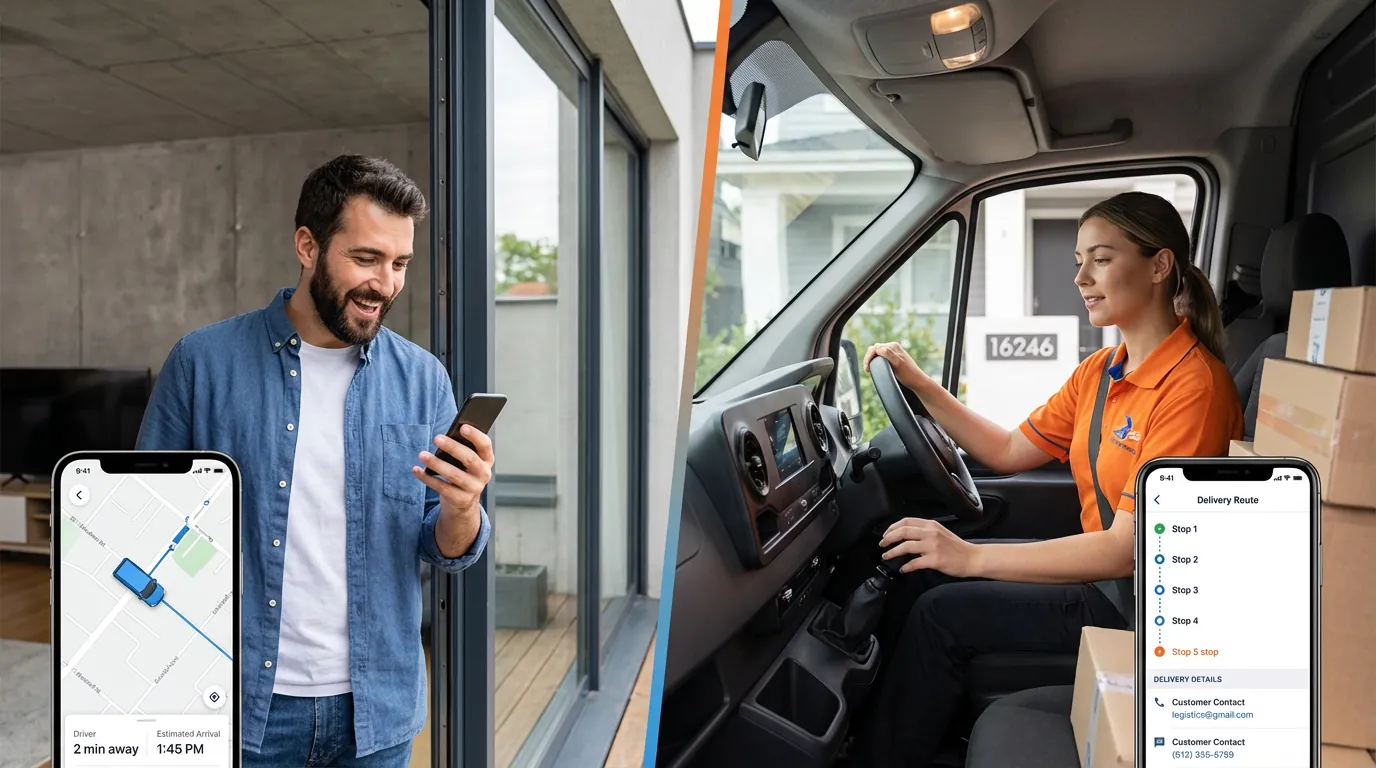
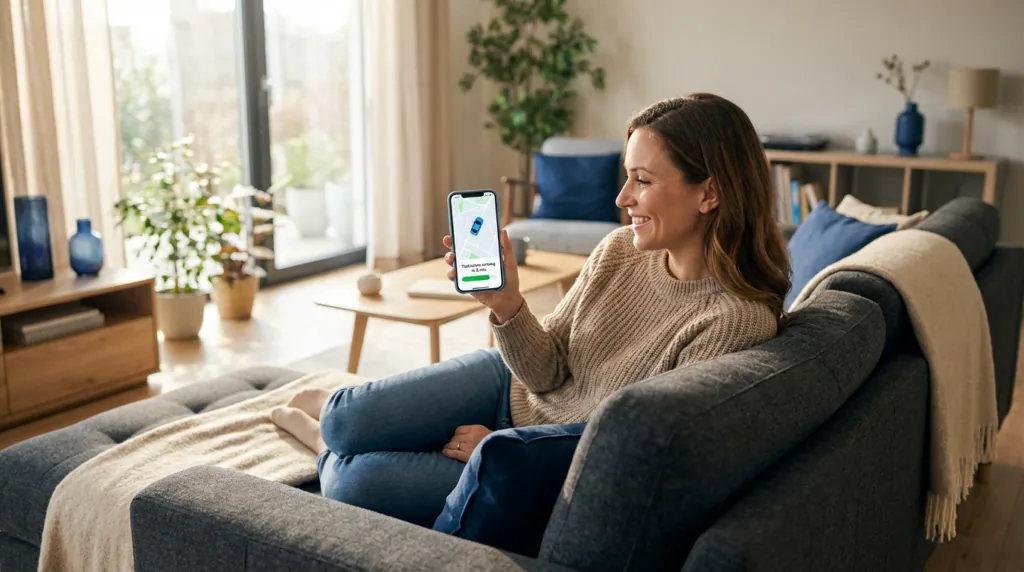
Consider the “Uber Effect.” Why do people rarely complain about Uber’s pricing, even during “surge” periods? Because the convenience of seeing the car on the map, knowing exactly who is coming, and having a frictionless payment process creates a high-value experience that justifies the cost.
When a field service company uses ArrivePing, the customer experience changes:
- The “On My Way” Alert: Instead of a vague window, the customer gets a text or email with a live tracking link when the technician heads out. No app or account is needed.
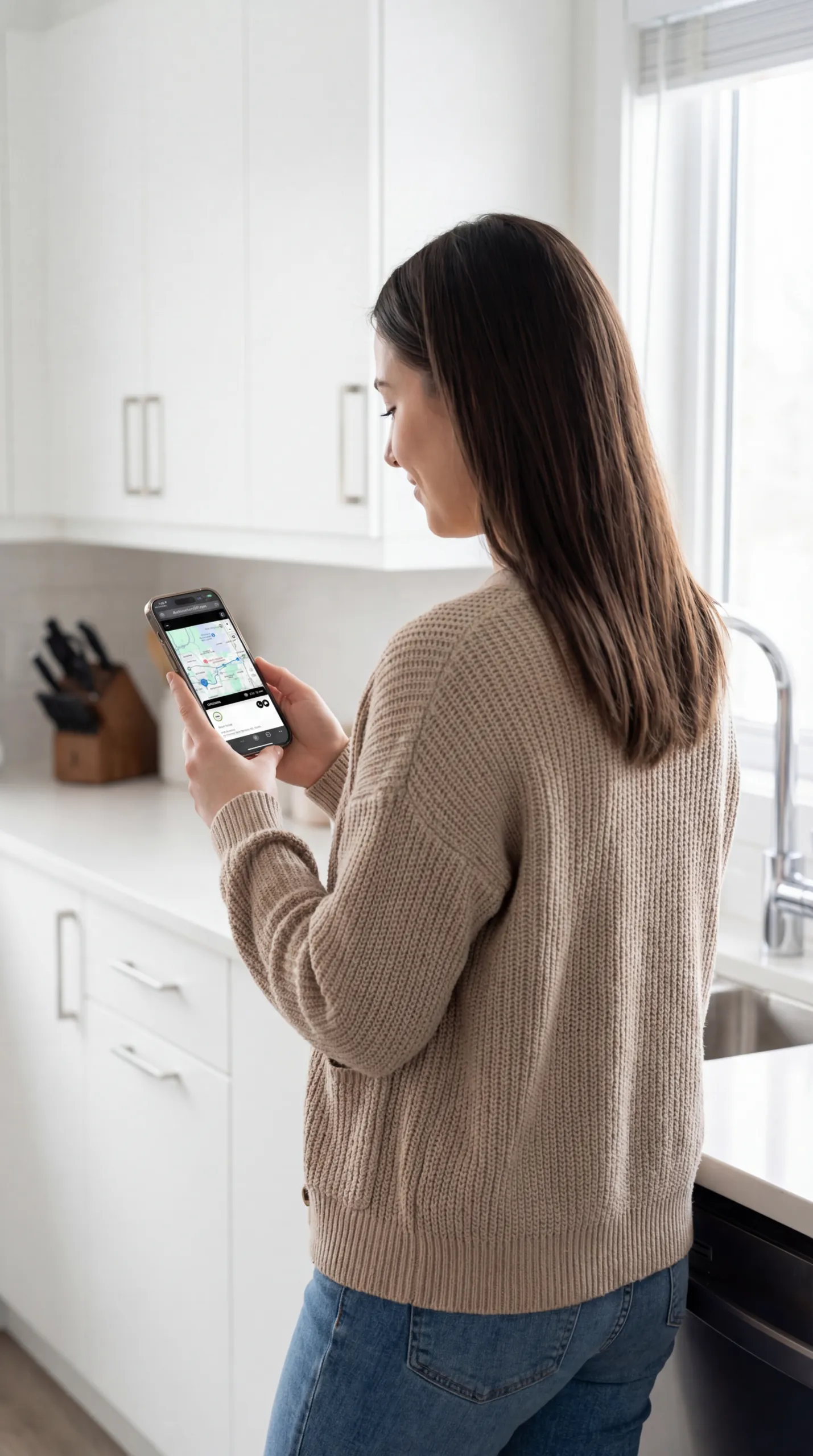
- The Live Map: The customer sees the technician’s progress toward their home and an ETA. Suddenly, the wait is “occupied” and the anxiety eases. If the job runs behind, a running-late notice goes out automatically.
- A Direct Line: Text and call buttons on the tracking page let the customer reach the technician without phoning the office.
In this scenario, the customer isn’t thinking about the competitor who quoted $20 less. They are thinking about how easy it was to work with you. You’ve removed the friction, and in doing so, you’ve earned the right to charge a premium.
Conclusion: The Future of Field Service
The future of field service isn’t just about who has the best tools or the fastest technicians—it’s about who provides the best experience. Disproportionate convenience is the ultimate competitive advantage. When you provide an “Uber-like” level of transparency and communication, you don’t just satisfy customers; you make them less sensitive to price.
By investing in communication automation, you are essentially “buying” your customers’ loyalty and protecting your margins. In 2026 and beyond, the companies that win won’t be the cheapest—they’ll be the easiest to work with.
ArrivePing by NVC360 launches in November 2026. See how ArrivePing works for your team: book a demo.