Stop the Ringing: How Phone Tag is Costing Your Field Service Business Millions
Phone tag between the office, technicians and customers eats paid hours. Where that time goes, what it costs, and how automatic updates replace the calls.
The Endless Loop: When Communication Becomes a Cost Center
In field services—be it HVAC, construction, home care, or logistics—effective communication is paramount. Yet many businesses are caught in a relentless cycle of “phone tag,” a seemingly innocuous problem that silently drains resources, frustrates employees, and ultimately costs real money. This isn’t just about missed calls; it’s about a fundamental breakdown in operational efficiency that affects field technicians, office dispatchers, and the bottom line. This article looks at the true cost of this outdated communication model and how nonverbal, automatic updates are changing field operations.
Quantifying the Drain: Time and Money Lost to Phone Tag
The impact of phone tag and related communication inefficiencies is far more significant than many realize. It’s a pervasive issue that eats into billable hours and inflates operational costs across the board.
For Field Technicians: Hours Lost on the Road
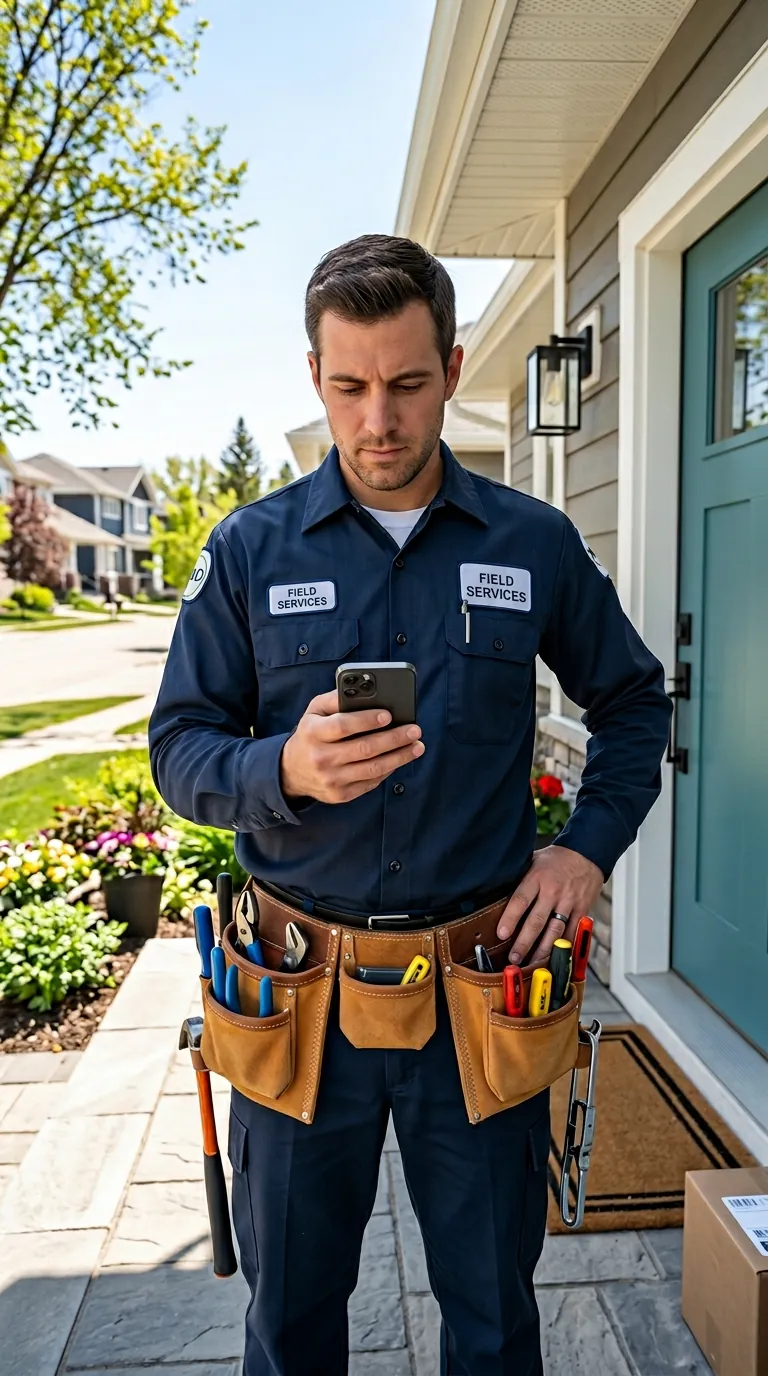
Field technicians, the backbone of your service delivery, lose a real share of their day to communication breakdowns. Add it up over a year and it becomes hundreds of hours per technician. This includes:
- Playing phone tag: Trying to reach the office or clients.
- Waiting for approvals: Delays due to inaccessible decision-makers.
- Clarifying unclear work orders: Ambiguous instructions leading to confusion and rework.
Imagine a technician sitting in their vehicle, unable to proceed, simply trying to verify customer details, obtain gate codes, or confirm what the job involves. Every minute spent on these tasks is a minute not spent on billable work, directly affecting revenue and service capacity.
For Office Dispatchers: The Constant Coordination Battle
Office dispatchers face their own set of challenges, often acting as the central hub for all communication. The manual nature of scheduling and coordinating with field teams can consume a large part of their week, much of it on repetitive check-in calls.
In sectors like construction, the problem is compounded. According to FMI and Autodesk, professionals spend roughly 5.5 hours per week just searching for project data and another 5 hours per week resolving conflicts that arise from miscommunication. This constant firefighting keeps dispatchers and managers from planning ahead.
The Financial Fallout: Billions in Lost Productivity
The cumulative effect of these wasted hours is a heavy financial burden. Every hour a dispatcher spends chasing technicians by phone is a paid hour that doesn’t move a job forward, and when that is scaled across an entire workforce, the figures grow quickly. On a broader industry level, poor communication and inadequate data access are estimated to cost the U.S. construction industry alone $177 billion per year (FMI / Autodesk). This highlights a systemic issue that demands a modern solution.
ArrivePing: The Nonverbal Solution to a Verbal Problem
The solution to the phone tag problem isn’t more phone calls; it’s smarter, nonverbal communication. ArrivePing is designed to remove these inefficiencies by changing how field service businesses communicate.
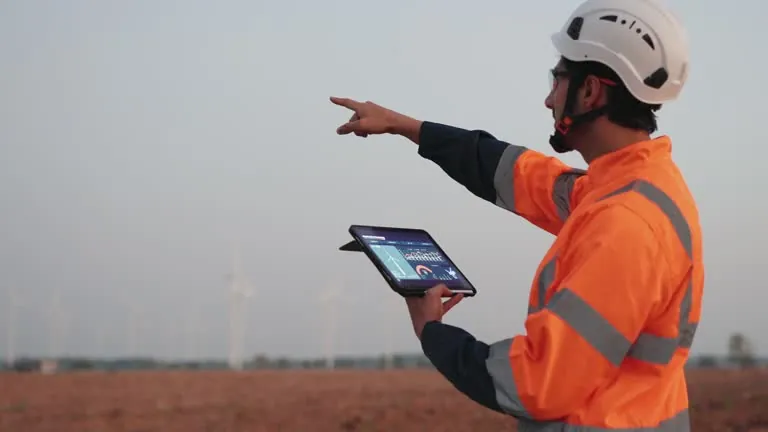
ArrivePing replaces the back-and-forth of phone calls with real-time, digital updates. Imagine a system where:
- Dispatchers have a live map showing every technician’s location and a dispatch board showing job status. Automatic assignment ranks technicians by distance, skill match, availability and current workload, and the dispatcher can override any pick—without a single phone call to find out who is free.
- Technicians receive the job details—job type, priority, time window, access notes such as gate codes, and photos—directly in the technician app, accept with one tap, and mark themselves on the way. They can get on with the job without calling the office.
- Clients receive an automatic on-my-way ETA notification with a live tracking link, so they can follow their technician’s arrival in real time, much like tracking an Uber. If the job slips, they get a running-late notice. This proactive, nonverbal communication cuts down on the inbound “Where is my tech?” calls and improves customer satisfaction.
By centralizing information and automating updates, ArrivePing addresses the root causes of phone tag. Dispatchers, technicians, and customers stay aligned with the latest information without constant verbal coordination.
A Day Without Phone Tag
Consider the change: a dispatcher, instead of spending much of the day on the phone, is managing more technicians and getting ahead of problems before they become complaints. A technician, instead of losing time to communication, is completing more jobs, leading to more billable hours. Customers appreciate transparent, real-time updates, which builds trust and loyalty.
This shift matters for any business that deploys people in the field. ArrivePing is built for home service businesses, construction companies, specialty trades and other field teams that want to move beyond the costly inefficiencies of phone tag.
Conclusion: End the Silence of Inefficiency
The “phone tag” loop is more than just an inconvenience; it’s an expensive problem for the field service industry. The traditional reliance on verbal communication in a mobile environment is a recipe for lost productivity, financial drain, and customer dissatisfaction. Real-time information for your team and automatic updates for your customers break that cycle. It’s time to stop chasing calls.
See how ArrivePing works for your team: book a demo.