Reduce Costs, Improve Customer Experience, and Scale Faster
Why field service operations break down at scale, what high-performing teams prioritize, and how to choose software that fits your workflow, not replaces it.
Field service businesses are under more pressure than ever. Rising labor costs, skilled-worker shortages, higher customer expectations, and tighter margins are forcing companies to rethink how they manage technicians, dispatch jobs, and communicate with customers.
According to FMI and PlanGrid, poor communication alone causes $31.3 billion in rework annually, with 48% of that rework directly attributed to communication failures. At the same time, field workers lose an average of 14 hours per week searching for information, clarifying tasks, or correcting avoidable errors.
This is why adoption of field service management (FSM) software is accelerating across construction, trades, logistics, and delivery-based businesses.
But not all FSM platforms are built the same.
The Field Service Management Market Is Growing — Fast
The global field service management market was valued at approximately $3.2 billion USD in 2021 and is projected to reach $5.7 billion USD by 2026, representing a compound annual growth rate (CAGR) of nearly 12% (MarketsandMarkets).
In North America specifically, market research firms including IMARC Group and Verified Market Research project that:
- The FSM software market is expected to exceed $4.6 billion USD by 2033, growing at 15%+ CAGR
- The fleet management software market is projected to grow at over 20% CAGR, driven by real-time tracking, compliance, and automation demands
Why Traditional Field Service Operations Are Failing
Despite market growth, many field service companies are still operating with:
- Phone calls and text messages
- Spreadsheets and whiteboards
- Disconnected scheduling, billing, and CRM tools
- Limited visibility into technician status or job progress
These systems break down at scale.
Common operational issues include:
- Missed or delayed appointments
- Inefficient technician routing
- High administrative overhead
- Poor customer communication
- Low technician adoption of tools
- High onboarding friction
Large all-in-one platforms attempt to solve this by replacing entire tech stacks — but this often introduces new problems.
The Hidden Cost of “All-in-One” FSM Platforms
Large FSM platforms typically require:
- Full system replacements
- Long implementation timelines
- Significant upfront costs
- Extensive retraining
- Internal resistance from staff
For small and mid-sized businesses, this can result in:
- Slower adoption
- Longer sales cycles
- Lower ROI
- Feature bloat that goes unused
This has created demand for a new category of FSM software — modular, integratable, and operator-built platforms.
What High-Performing Field Service Companies Are Doing Differently
Top-performing companies are prioritizing five core capabilities:
1. Real-Time Technician Visibility
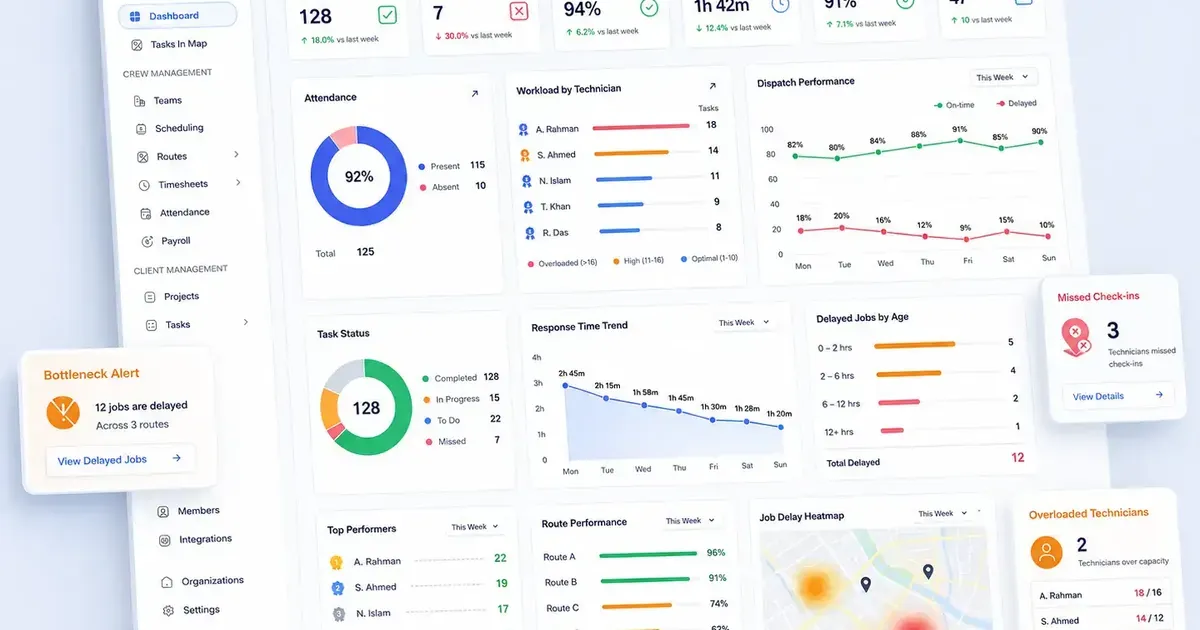
Live location tracking, job status updates, and time logging allow dispatchers to make decisions proactively rather than reactively.
2. Intelligent Scheduling and Dispatch
Modern FSM platforms reduce idle time and unnecessary travel, so each technician spends more of the day on billable work.
3. Automated Customer Communication
Customers now expect:
- Appointment confirmations
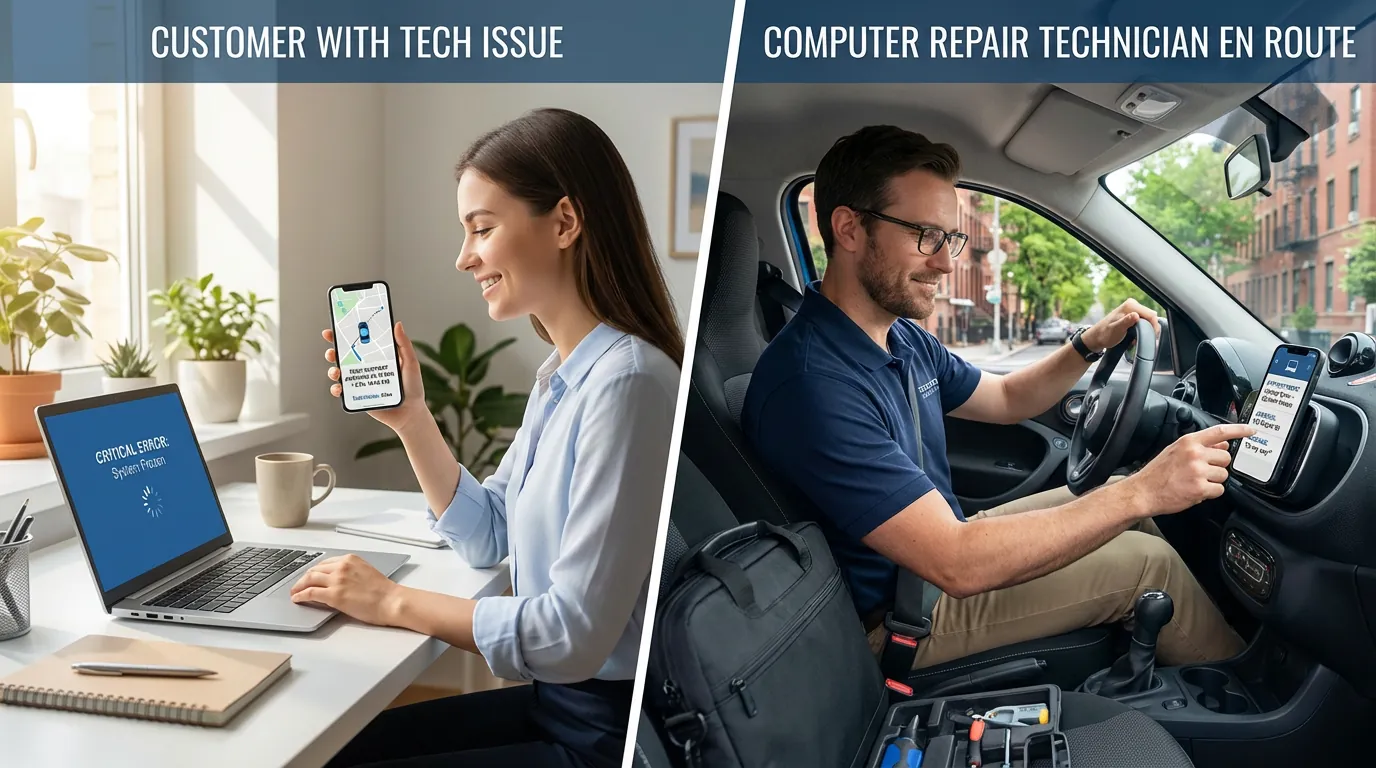
- Technician ETAs
- Real-time updates
- Professional, branded notifications
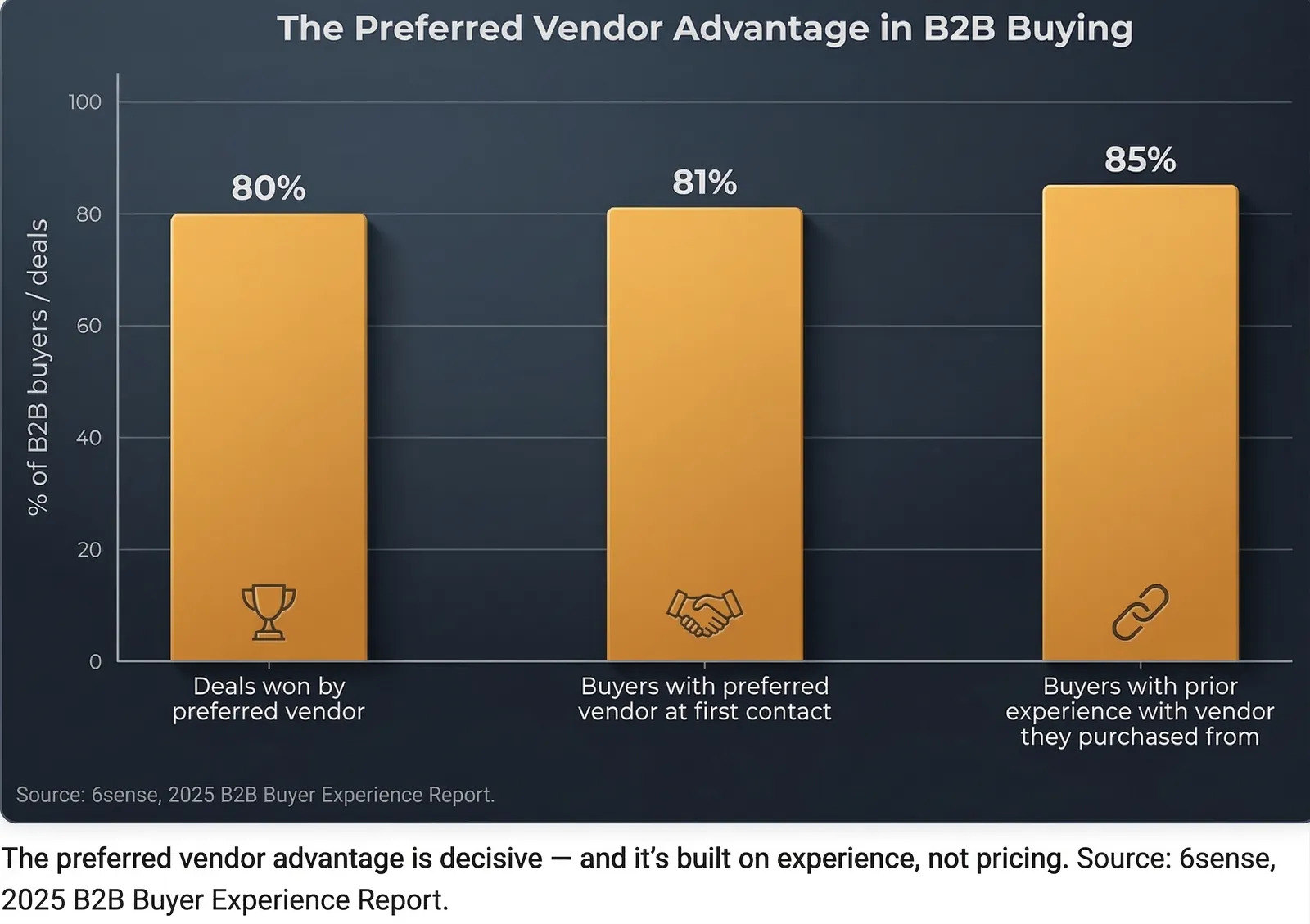
According to Salesforce, 80% of customers say experience is as important as the service itself.
4. Mobile-First Technician Tools
Adoption increases dramatically when tools are simple, intuitive, and designed for real field conditions — not office environments.
5. Seamless Integration With Existing Systems
High-ROI platforms integrate with:
- Accounting software
- CRM systems
- Payroll tools
- ERP platforms
This avoids disruption and accelerates deployment.
Where ArrivePing Fits Into the FSM Landscape
ArrivePing was built by NVC360 specifically to address the gaps left by traditional FSM platforms.
Unlike “rip-and-replace” systems, ArrivePing works alongside your existing tools, allowing companies to:
- Get set up quickly: an AI setup agent builds the workspace from your website, and most teams dispatch their first job within an hour
- Reduce change resistance
- Avoid hardware costs
- Keep their existing accounting and CRM software
Key Differentiators:
- No hardware installation required; location comes from the technician app on their phone
- Works alongside existing accounting and CRM tools, with exports, webhooks, Zapier and Make
- iOS and Android technician app with one-tap job acceptance
- On-my-way texts with a live tracking page for customers, with no app or account to set up
- Built by NVC360 from running 800+ field technicians
ArrivePing is designed for small and mid-sized businesses in construction, trades, and logistics. You can see how it compares with other field service platforms.
The Business Impact of Modern FSM Software
Companies that implement modern field service management platforms commonly look for:
- Lower operational costs
- Better technician productivity
- Higher customer satisfaction and retention
- Lower administrative workload
- Faster onboarding of new staff
These gains compound as companies scale.
The Future of Field Service Management
By 2026 and beyond, FSM platforms will increasingly incorporate:
- AI-assisted scheduling and dispatch
- Predictive maintenance
- Automated compliance reporting
- Deeper CRM and ERP integrations
- Customer-facing transparency tools
The winners will not be the platforms with the most features — but the ones that deliver clarity, speed, and adoption.
Final Thoughts
Field service management software is no longer optional. It is now a core operating system for companies that want to scale profitably while delivering a modern customer experience.
The key question is not whether to adopt FSM software, but which approach aligns with how your business actually operates. Platforms that integrate, simplify, and respect existing workflows will continue to outperform bloated, high-friction alternatives.
See how ArrivePing works for your team: book a demo.