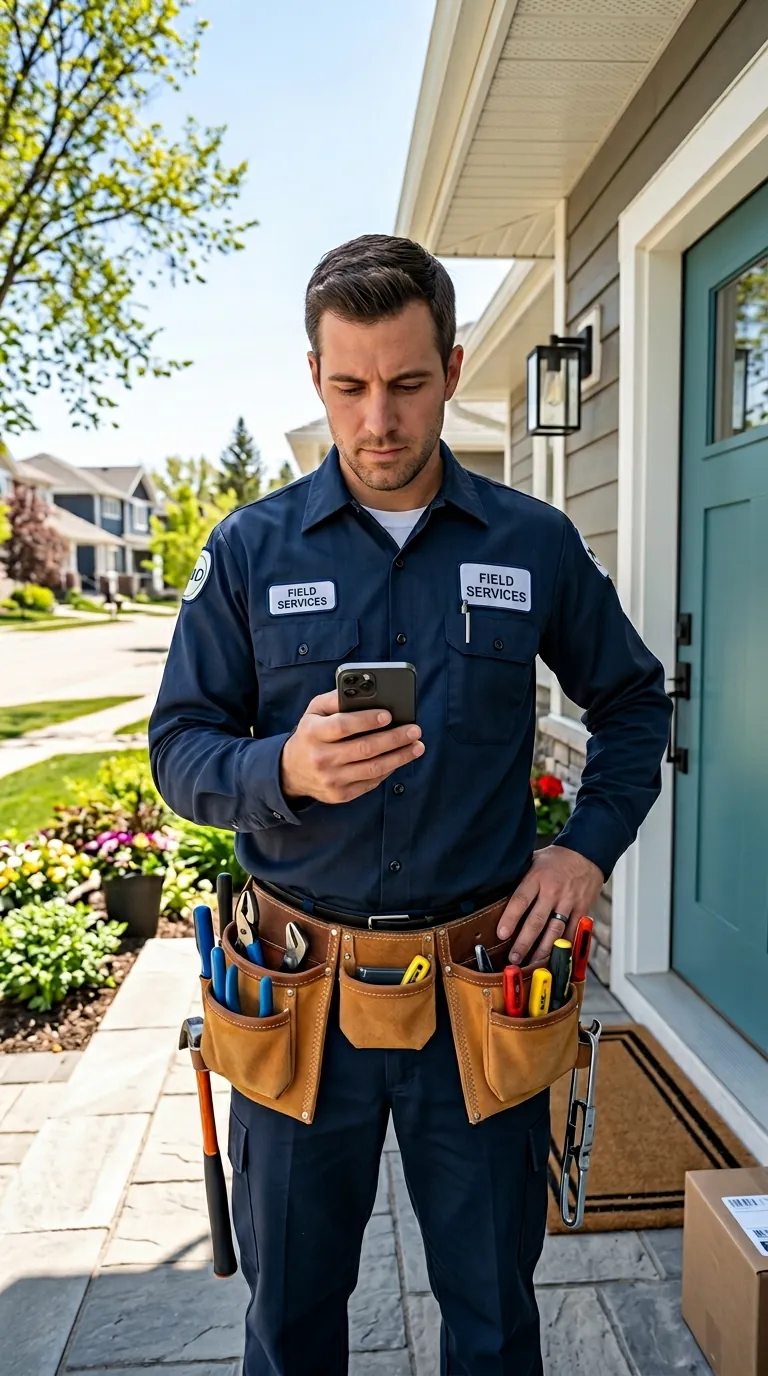
The ROI of Visibility: How Real-Time Technician Tracking Transforms Field Service
How real-time technician tracking affects first-time fix rates, workforce productivity and customer calls, with the industry figures behind each claim.
Introduction: The Problem
Imagine this scenario: a customer has taken the day off work to wait for a technician to repair a critical piece of equipment. They were given a four-hour service window. Three hours in, they have heard nothing. Frustrated, they call your dispatch center, only to be placed on hold while the dispatcher tries to reach the technician—who is currently out of cellular range or under a building. This lack of visibility is a common pain point for field service businesses, leading to angry customers, stressed dispatchers, and inefficient operations.
The modern customer expects transparency. In an era where they can track a $15 pizza delivery from the oven to their doorstep, waiting blindly for a high-value service appointment is no longer acceptable. For field service businesses, this expectation is not just about customer satisfaction; it is about the bottom line. Operating without real-time technician tracking is like flying blind, and the financial consequences of this inefficiency are significant.
The High Cost of Inefficiency
The cost of operating without real-time visibility extends far beyond the occasional customer complaint. It impacts every facet of the business, from fuel consumption to technician retention. When dispatchers cannot see where their technicians are, they cannot plan efficient routes, leading to wasted fuel and excessive wear and tear on vehicles. More importantly, it results in lost billable hours. Every minute a technician spends stuck in unexpected traffic or circling a neighborhood looking for an address is a minute they are not generating revenue.
“Every minute your driver spends stuck in traffic, calling for route help, or circling a job site burns more than just gas—it eats into billable hours. In field service, margins are tight—and wasted time quietly erodes your profitability.” – TrackNet
The data underscores this reality. A study by Aquant revealed that 63% of service leaders find it difficult to hire skilled technicians, highlighting the need to maximize the efficiency of the existing workforce (Fieldservicely). Furthermore, organizations operating without optimized mobile tracking solutions suffer from significantly lower First-Time Fix Rates (FTFR). While best-in-class organizations boast an FTFR of 89%, the industry average hovers around 75%, according to Limble. The gap between these figures represents a massive loss in potential revenue and a substantial increase in repeat dispatch costs.
A Better Way: Streamlining Field Work and Communication
The solution to these operational bottlenecks lies in embracing technology that provides real-time visibility. Real-time technician tracking systems use GPS and mobile applications to continuously monitor the location and status of field workers. This technology turns the dispatcher’s role from a reactive problem-solver into a proactive strategist. With a live view of the entire team, dispatchers can adjust schedules based on current locations, traffic conditions, and job progress.
The benefits of this visibility are profound. According to Fieldproxy, organizations implementing mobile field service management solutions report an 18% improvement in their first-time fix rates within the first six months. This improvement is driven by the ability to match the right technician—with the right skills—to the right job, based on their real-time proximity. Furthermore, GPS tracking optimization has been shown to increase workforce productivity by 20% to 35%, according to US Fleet Tracking. By eliminating unnecessary travel and reducing idle time, businesses can complete more jobs per day without expanding their headcount.
The “Uber-Like” Experience in Action
Picture a mid-sized HVAC company that adds real-time tracking. Before, its dispatchers relied on phone calls to determine technician locations, leading to inaccurate ETAs and frustrated customers. With a modern tracking solution, the dynamic shifts entirely.
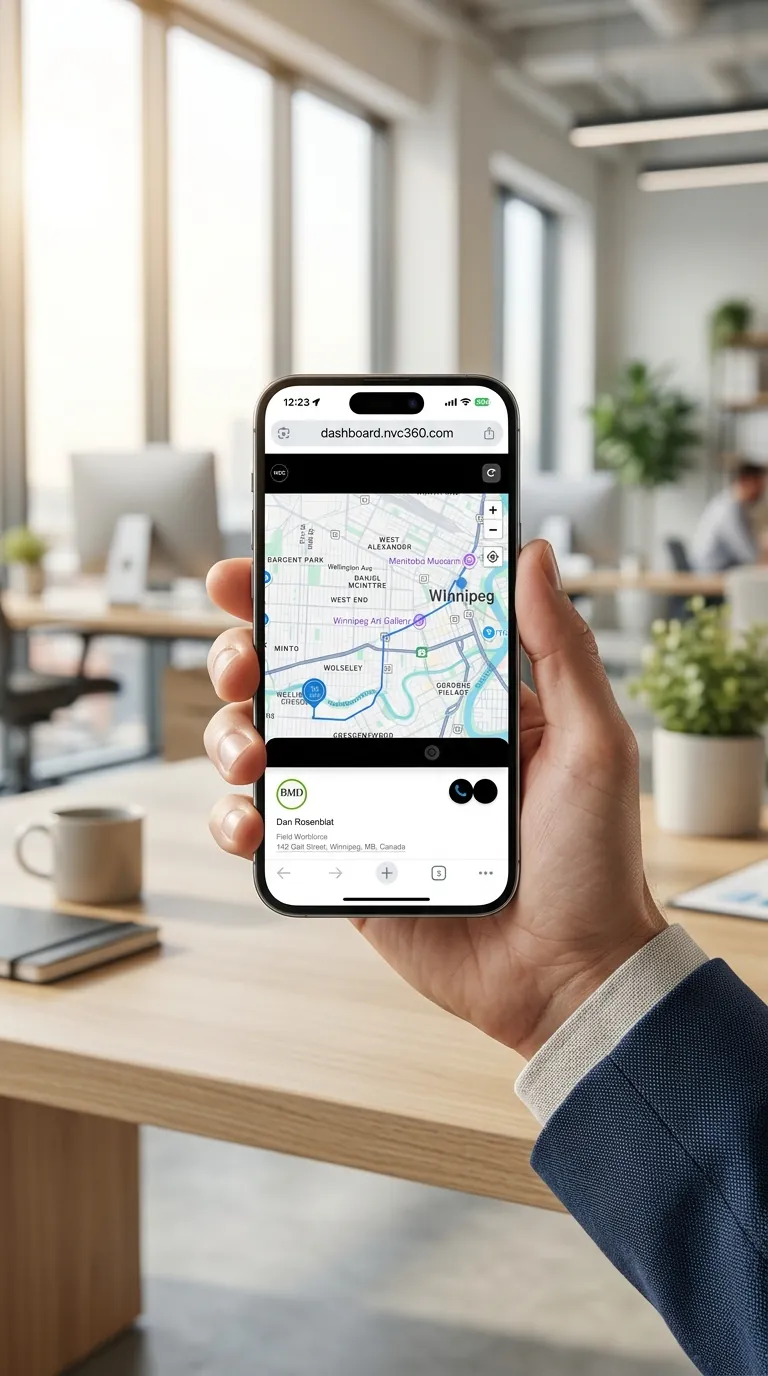
Now, when a technician heads out, the customer receives an automated text message with a live tracking link. As the technician approaches, the customer can view their progress on a map, much like tracking a ride-share vehicle. This “Uber-like” experience reduces customer anxiety and sharply cuts “where is my tech?” calls to the dispatch center. In fact, companies offering this level of transparency report a 40% to 60% improvement in customer service responsiveness, according to US Fleet Tracking.
For the technicians, the experience changes just as much. They no longer waste time calling dispatch for directions or schedule updates. The system automatically logs their arrival and time on site, providing clear proof of service and protecting the business from billing disputes. This streamlined workflow reduces technician burnout and allows them to focus on what they do best: solving the customer’s problem.
Conclusion: The Future of Field Service
The field service industry is evolving rapidly, and the businesses that thrive will be those that prioritize operational visibility and customer experience. Real-time technician tracking is no longer a luxury; it is a necessity for remaining competitive. By embracing this technology, companies can reduce costs, boost productivity, and deliver the transparent, responsive service that modern customers demand. The transition from reactive dispatching to proactive, data-driven management is the key to sustained growth and profitability in the field service sector.
ArrivePing by NVC360 brings this to your team: a live map of technicians from the app on their phones, automatic on-my-way texts with a live tracking page, and geofenced arrival times. It launches in November 2026.
See how ArrivePing works for your team: book a demo.