
Construction Labor Shortage: Do More With the Crew You Have
Why construction firms can't hire their way out of the labor shortage, and how mobile dispatch, digital paperwork and less drive time free up existing crews.
Every morning, construction business owners wake up with the same pit in their stomach: “Will enough crew members show up today to keep the project on schedule?” If this sounds familiar, you are not alone—but there is a way out that doesn’t involve hiring.
The “Hiring Crisis” is Actually a Productivity Crisis
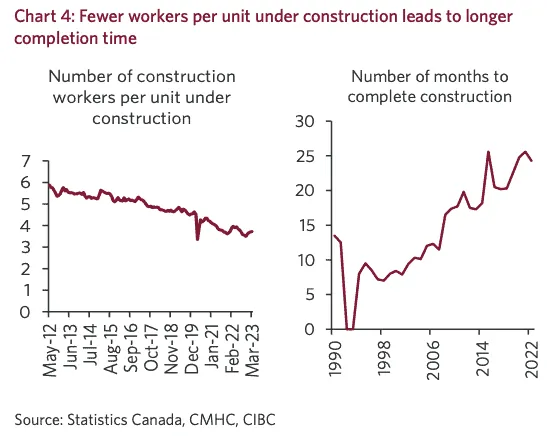
The construction industry is short of workers. Job sites are understaffed, project timelines are stretching, and the cost of labor is skyrocketing.
For years, the standard solution has been simple: “We need more bodies.” But in 2025, you cannot simply hire your way out of this problem. The talent isn’t there, and even if it was, the wage demands are crippling margins.
Here is the hard truth: You likely don’t need more workers. You need your existing workers to stop wasting time on non-billable tasks.
Why You Can’t Hire Your Way Out
Trying to solve a labor shortage by recruiting in this market is a losing battle. Turnover rates are high, training new hires takes months, and experienced veterans are retiring faster than apprentices can replace them. The solution isn’t finding more people; it’s empowering the people you already have to do more.
By adopting field service automation, construction firms are discovering they can free up a meaningful share of their crews’ time simply by eliminating inefficiency.
6 Ways Field Service Software Increases Productivity
When you move from paper and whiteboards to digital field service management (FSM), the efficiency gains show up quickly. Here is how technology bridges the labor gap:
- Eliminate the Morning Commute to the Office: Instead of driving to the office to pick up paper work orders, techs receive jobs on their mobile devices and go straight to the site.
- Automated Scheduling: Smart algorithms assign jobs based on technician skill set and location, ensuring the right person gets the job the first time.
- Digital Documentation: No more driving back to the office to drop off paperwork or lost invoices. Photos and notes are uploaded from the field.
- Inventory Management: Technicians can see truck stock levels in real time, reducing trips to the supply house.
- Instant Invoicing: Cash flow improves when invoices are generated and sent the moment the job is completed, rather than weeks later.
- Asset Tracking: Know exactly where your expensive equipment is, reducing time spent searching for tools across different job sites.
The Power of Smarter Dispatching
One of the biggest silent killers of productivity is windshield time. Without a clear view of where everyone is, technicians often crisscross the city, spending more time in traffic than on tools.
The Impact: Sending the closest qualified technician, using a live map of your crews, cuts that wasted travel. Across a team of 10 technicians, the recovered hours can add up to real extra capacity each week without adding to headcount.
A Worked Example
Consider a mid-sized electrical contractor that needs 35 technicians to handle its workload but only has 28 on staff. It is turning down work and burning out its existing crew with overtime.
The Change
Instead of panicking and hiring unqualified staff, the contractor looks at where its crew’s time actually goes. It digitizes dispatching, automates customer notifications, and stops sending technicians back and forth across the city.
The Result to Aim For
If those changes give each of the 28 technicians back even an hour a day, the gap to 35 starts to close without adding anyone to the payroll. Less overtime also means crews get home for dinner on time, which matters for morale and retention.
Calculating the ROI for Your CFO
If you need to justify the investment in software, use this simple calculation.
Let’s say a billable hour is worth $150. If software saves one technician just 1 hour per day (through reduced travel, less paperwork, and faster access to info), that is:
- $150 savings per day
- $750 savings per week
- $39,000 in additional revenue potential per technician, per year.
For a team of 10, that is nearly $400,000 in gained productivity annually—far outweighing the cost of any software subscription.
Implementation Timeline: Results in 30 Days
You don’t have to wait a year to see changes. A typical rollout looks like this:
- Week 1: Data migration (customer lists, inventory).
- Week 2: Office staff training and dispatch configuration.
- Week 3: Technician training on mobile apps.
- Week 4: Go live.
By day 30, you should be able to see whether administrative chaos is down and billable hours are up.
Conclusion
The labor shortage is real, but it doesn’t have to break your business. You cannot control the labor market, but you can control your efficiency. By replacing outdated manual processes with automated technology, you can do more with the team you have today.
Stop searching for unicorns in a labor drought. Start equipping your workhorses with the tools they need to win.
See how ArrivePing works for your team: book a demo.